Tree Service Removal Company: What to Expect From Start to Finish
Removing a tree may seem like a simple task, but it is often a complex process that requires careful planning, the right equipment, and professional expertise. Whether a tree is dead, diseased, or dangerously close to your home, hiring a
tree service removal company ensures the job is done safely and efficiently. Understanding what to expect from start to finish can help you make informed decisions, save time, and protect your property.
Key Takeaways
- Tree removal involves multiple steps including assessment, planning, cutting, and cleanup.
- Safety precautions are a top priority for professionals to protect both property and people.
- Costs vary depending on tree size, location, and complexity of removal.
- Professional tree removal often includes stump grinding, debris removal, and optional land restoration.
- Hiring licensed and insured companies reduces risk and ensures legal compliance.
- Clear communication with your tree service company ensures expectations are met and surprises are minimized.
Understanding the Role of a Tree Service Removal Company
A tree service removal company specializes in safely removing trees, trimming branches, and handling other related tasks such as stump grinding and debris disposal. Professionals are trained to assess a tree’s health, evaluate risks, and determine the best removal method. This expertise is particularly important for large or unstable trees near homes, power lines, or other sensitive areas.
Tree removal is not just about cutting down a tree. It involves careful planning, precision, and the use of specialized equipment. Companies often provide a range of services including emergency tree removal, routine maintenance, and even landscaping assistance after removal.
Step 1: Initial Consultation and Assessment
The first step in the tree removal process is the initial consultation. Most companies will send a professional to your property to assess the tree. This assessment typically includes:
- Tree Health:
Identifying signs of disease, decay, or structural weakness.
- Size and Location:
Measuring the height and canopy spread, and noting proximity to structures.
- Access and Equipment Needs:
Determining whether cranes, ladders, or special rigging equipment are required.
- Potential Hazards:
Identifying risks such as power lines, vehicles, or other obstacles.
During this visit, the company will discuss your goals, provide advice, and give an estimate for the cost of removal. This consultation is important to ensure both safety and efficiency during the actual removal process.
Step 2: Planning and Preparation
After the assessment, the company will create a detailed plan. This step often goes unnoticed but is critical to safe tree removal. Planning typically includes:
- Determining the Removal Method:
Professionals may use a direct drop method, sectional dismantling, or crane-assisted removal depending on the situation.
- Safety Measures:
Planning for protective gear, traffic control, or securing neighboring structures.
- Logistics:
Deciding how debris will be handled and what tools are needed on site.
- Permits:
Checking local regulations and obtaining necessary permits for tree removal.
Proper preparation reduces risks, avoids damage to your property, and ensures the removal process goes smoothly.
Step 3: Tree Removal Process
Once planning is complete, the actual tree removal begins. The process generally follows these steps:
- Site Setup:
Professionals will cordon off the area, ensuring safety for everyone nearby.
- Tree Trimming:
Large branches are removed first to make the main trunk accessible and reduce risks.
- Cutting the Trunk:
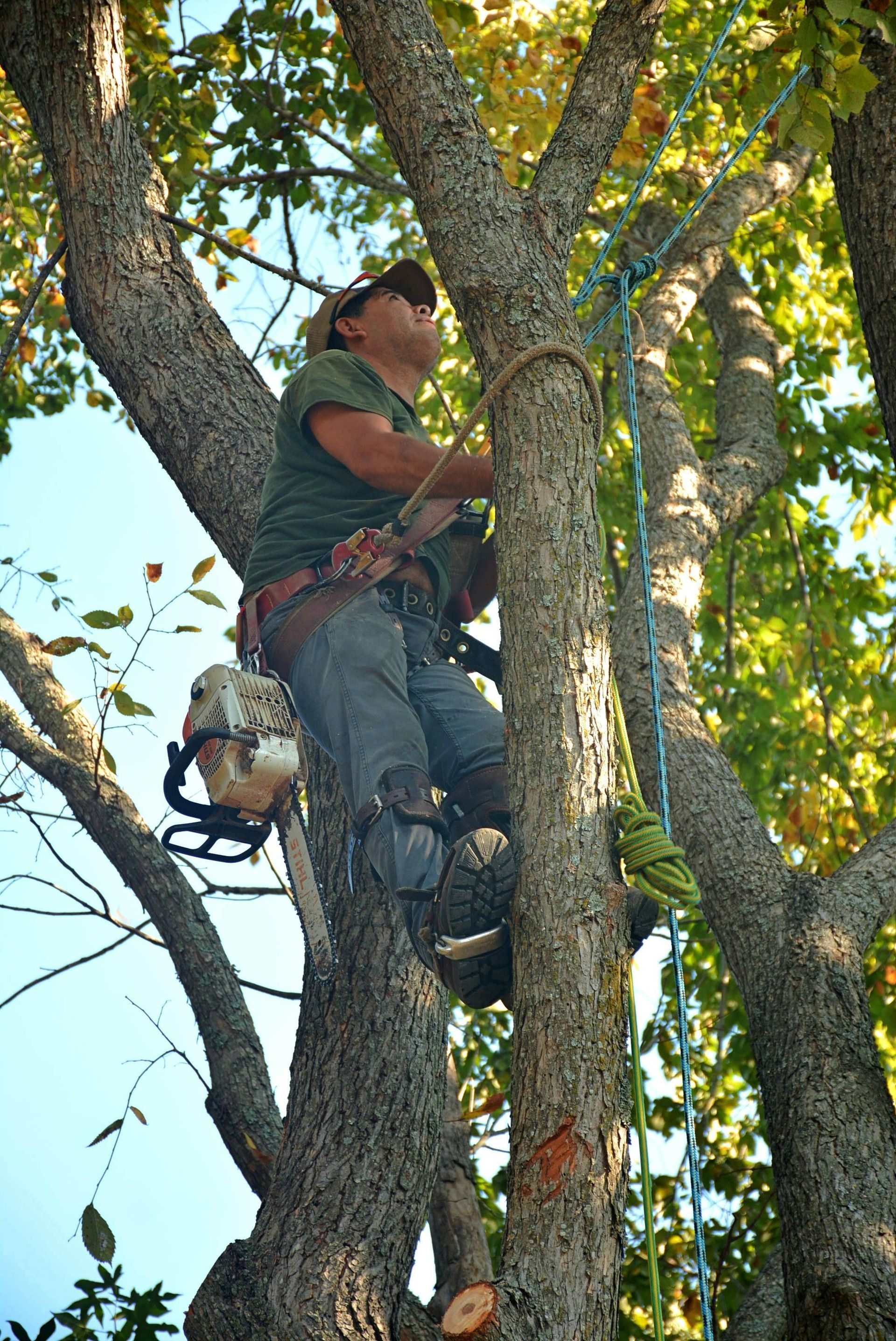
The tree is carefully cut in sections, either dropped in a safe area or lowered using ropes and rigging.
- Debris Removal:
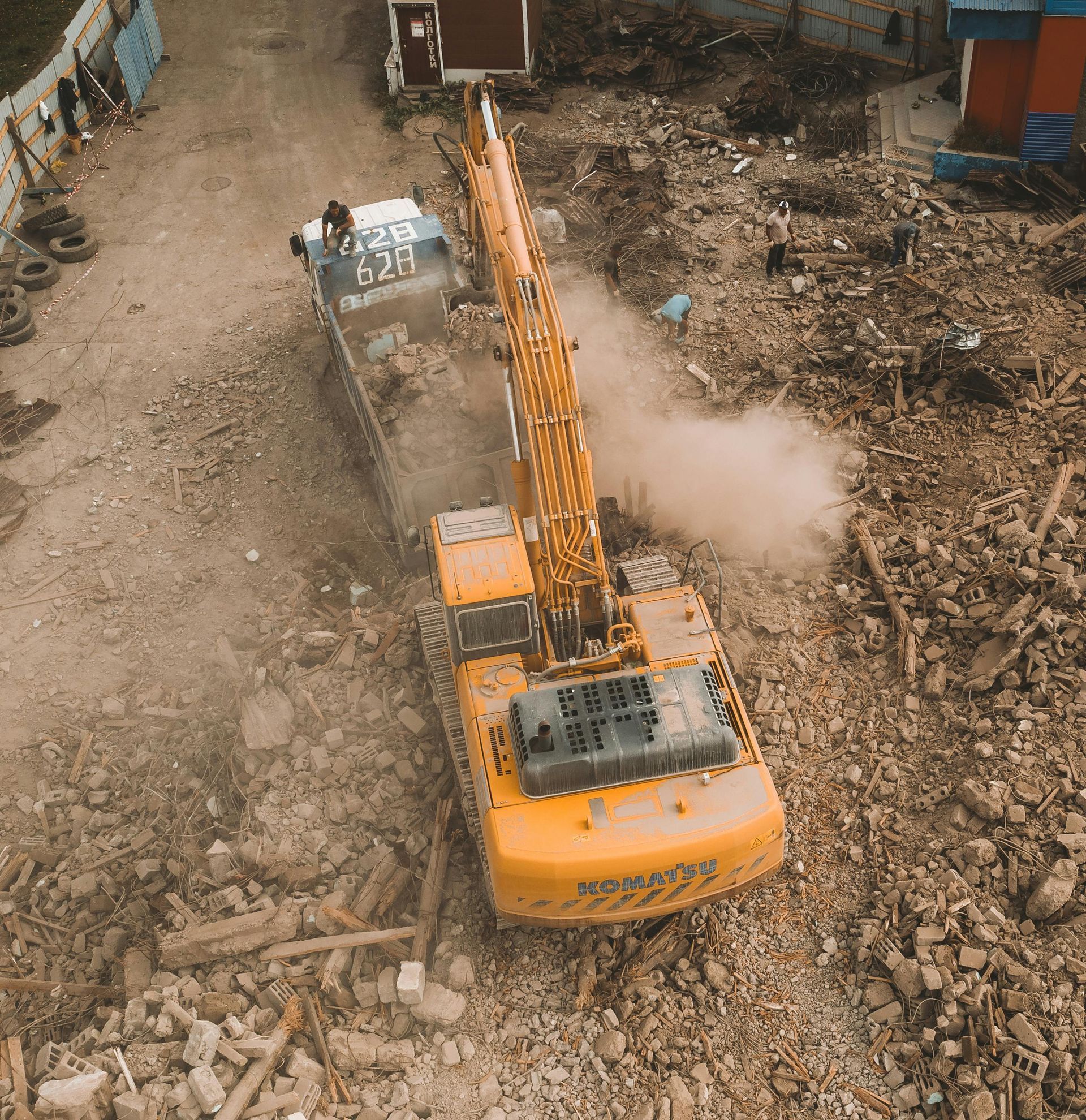
Branches, logs, and other debris are collected and transported away.
Depending on the tree’s size and location, removal can take a few hours to an entire day. Larger or riskier trees may require several days or additional equipment such as cranes.
Step 4: Stump Removal and Site Cleanup
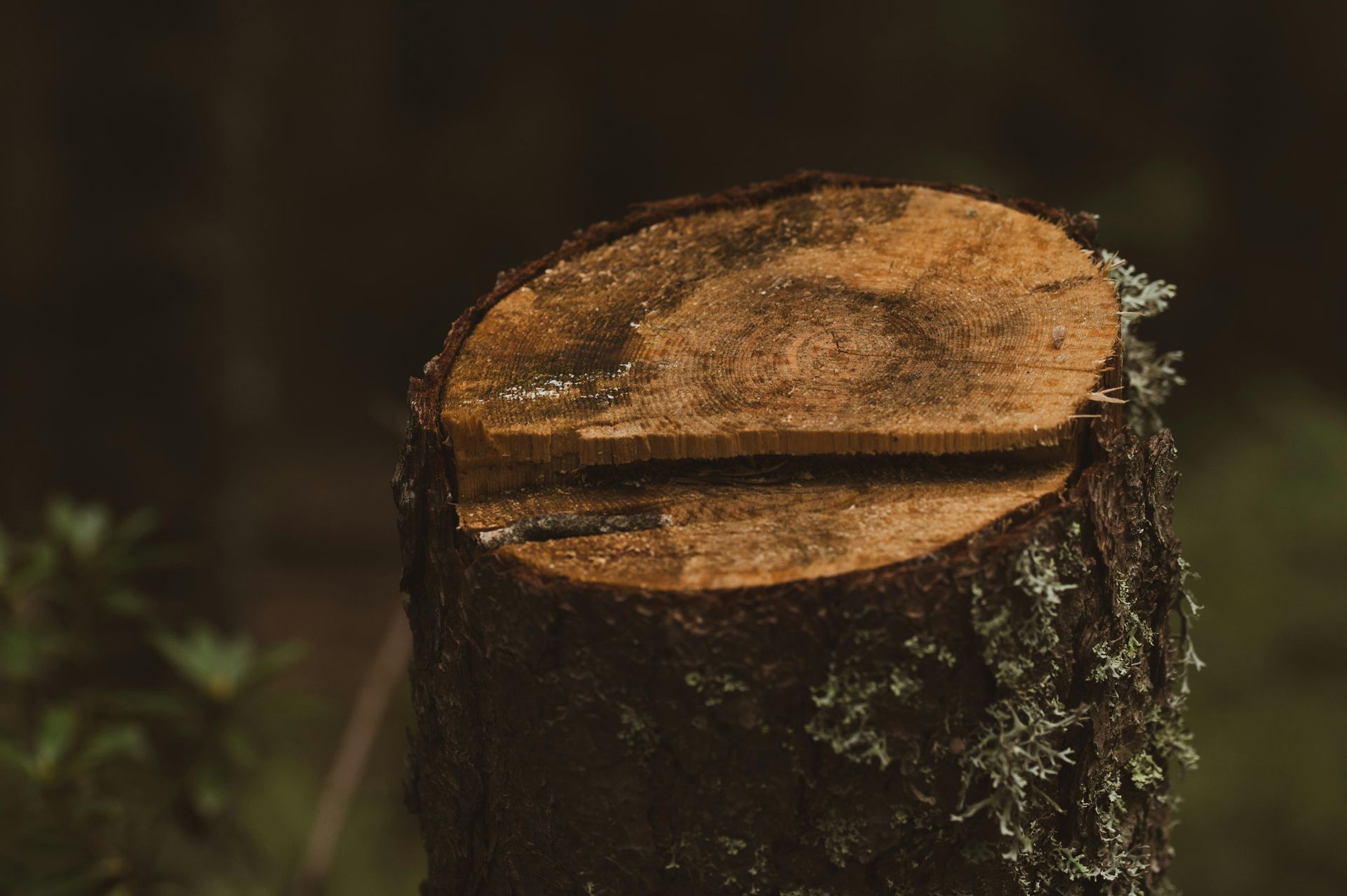
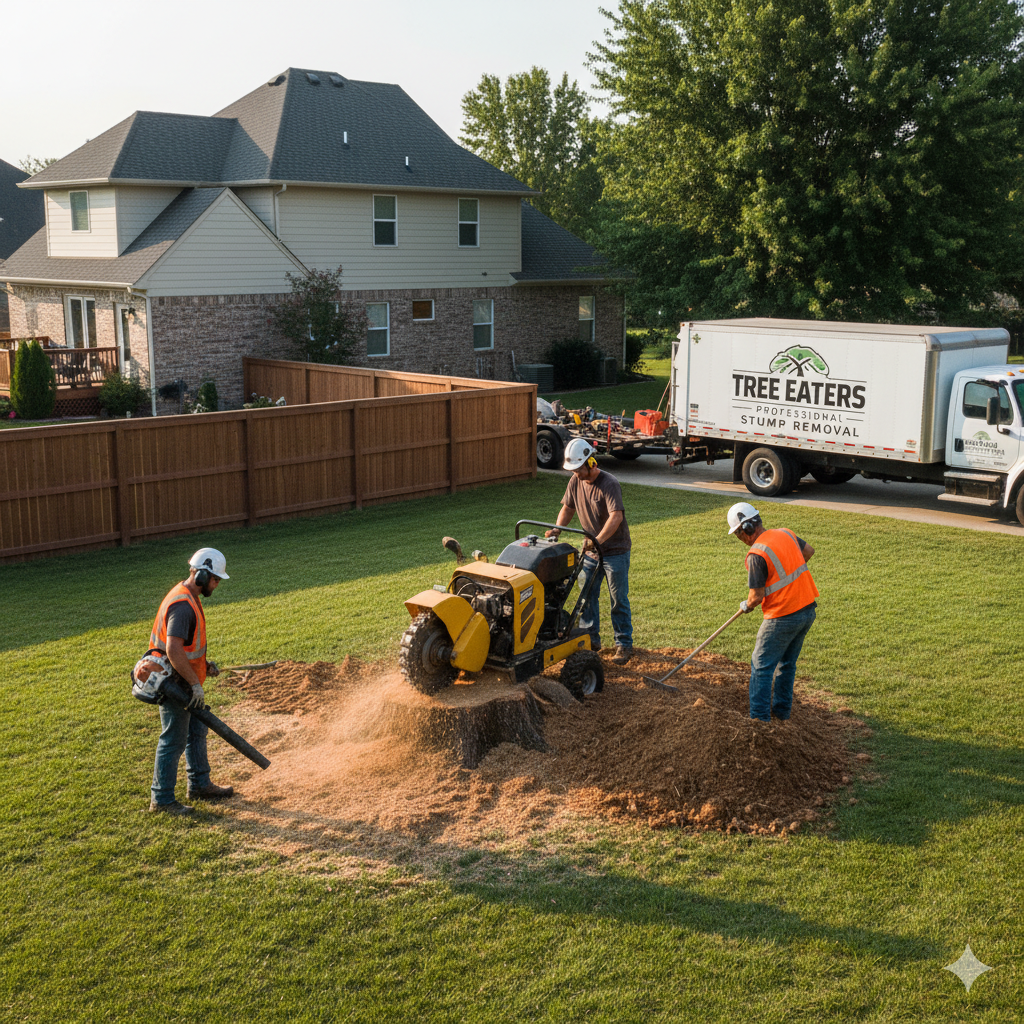
After the tree is removed, the stump remains. Many companies offer stump grinding or full stump removal as part of their service. Stump removal is important to:
- Prevent pest infestations such as termites or beetles.
- Reduce the risk of tripping hazards on your property.
- Prepare the area for landscaping, gardening, or construction.
Site cleanup is also essential. A professional company ensures that all debris is cleared, the property is left tidy, and any damage from the removal process is minimized.
Step 5: Optional Services and Landscaping
Some tree service removal companies provide additional services to restore or improve your property. These services may include:
- Planting New Trees:
Replacing removed trees with new, healthy trees.
- Soil Restoration:
Replenishing soil where the stump was removed.
- Mulching and Landscaping:
Using tree debris as mulch or adding landscaping elements to enhance your yard.
These services help maintain the aesthetic and ecological value of your property after tree removal.
Cost Considerations
Tree removal costs vary depending on several factors:
| Factor | How It Affects Cost |
|---|---|
| Tree Size | Larger trees require more time and equipment. |
| Tree Location | Trees near buildings or power lines are more complex to remove. |
| Tree Condition | Dead or diseased trees may pose additional risks. |
| Stump Removal | Grinding or full removal adds to the cost. |
| Accessibility | Hard-to-reach areas may require cranes or specialized equipment. |
Most companies provide a written estimate after the initial assessment, ensuring transparency and avoiding unexpected charges.
Why Professional Tree Removal Matters
Tree removal is often more complicated than it appears. While some homeowners might consider taking a saw to a small tree or cutting down branches themselves, the risks involved can be significant. Hiring a professional tree service removal company ensures that the process is handled safely, efficiently, and with minimal impact on your property.
Safety Is the Top Priority
One of the main reasons professional tree removal matters is safety. Trees are large, heavy, and unpredictable. Even a small miscalculation can lead to serious injury or property damage. Professionals are trained to assess the stability of a tree, identify potential hazards, and use proper techniques to lower branches and trunks safely. They also wear protective equipment such as helmets, gloves, eye protection, and chainsaw-resistant clothing to prevent accidents.
Protecting Your Property
Trees located near homes, fences, or vehicles present a particular challenge. Without the right equipment and expertise, cutting a tree could cause damage to your property. Professionals plan the removal carefully, often using ropes, rigging, or cranes to control the fall of large limbs. This careful approach minimizes the risk of broken windows, damaged roofs, or other costly repairs.
Efficiency and Proper Equipment
Tree removal is a physically demanding task that requires specialized tools. Professionals have access to commercial-grade chainsaws, stump grinders, chippers, and other equipment that homeowners typically do not own. Using the right tools allows the job to be done faster and with less risk, avoiding the trial-and-error approach that can happen with DIY attempts.
Expertise in Tree Health Assessment
A professional tree service removal company does more than just cut down trees. Experts can identify signs of disease, decay, or structural weaknesses that may not be visible to the untrained eye. This helps homeowners decide whether a tree truly needs removal or if trimming or treatment could extend its life. Making the right decision early can prevent future hazards.
Legal Compliance and Liability Protection
Many municipalities have regulations regarding tree removal, especially for large or protected trees. Professionals are familiar with local laws and can obtain necessary permits, avoiding fines or legal issues. Additionally, licensed and insured companies protect homeowners from liability in case of accidents or property damage during the removal process.
Peace of Mind
Finally, hiring a professional provides peace of mind. Tree removal is stressful and often urgent, particularly when a tree poses a danger. Knowing that trained experts are handling the job allows homeowners to relax, confident that the work will be done safely, efficiently, and correctly.
Frequently Asked Questions
How long does tree removal take?
Tree removal time varies by size, location, and complexity. Small trees can be removed in a few hours, while large or hazardous trees may take a full day or more.
Do I need a permit to remove a tree?
Local regulations differ. Your tree service company can advise on permits required in your area.
What happens to the tree debris?
Most companies haul away branches, logs, and other debris. Some offer recycling or mulching options.
Can all trees be removed safely?
Professional companies are trained to remove most trees safely. Trees near power lines or structures may require specialized equipment and techniques.
Will tree removal damage my yard?
Some minor ground disturbance may occur. Reputable companies minimize damage and often offer services to restore the area afterward.
Final Thoughts
Hiring a
tree service removal company is the safest and most efficient way to handle tree removal. From the initial consultation to stump removal and cleanup, understanding the process ensures you are prepared and informed. Choosing a licensed and insured company not only protects your property but also guarantees that the work is done correctly and safely. Proper planning, clear communication, and professional expertise make the
tree removal experience smooth and stress-free.
Protect your property, ensure safety, and leave the hard work to the professionals.
Reference:
https://palencialandscaping.com/blog/what-to-expect-during-a-professional-tree-removal-service/
Share this article